- Saffron has more human trials than most botanicals: over 20 small randomised studies on mood, plus studies on sleep and eyes.
- The mood results are encouraging on questionnaires, usually at around 28–30 mg a day of a defined extract for 4–12 weeks. The studies are small, and publication bias is a concern.
- Sleep findings are mostly self-reported. Eye findings are small and in disease.
- Not all saffron extracts are the same. A trial result applies to the extract studied.
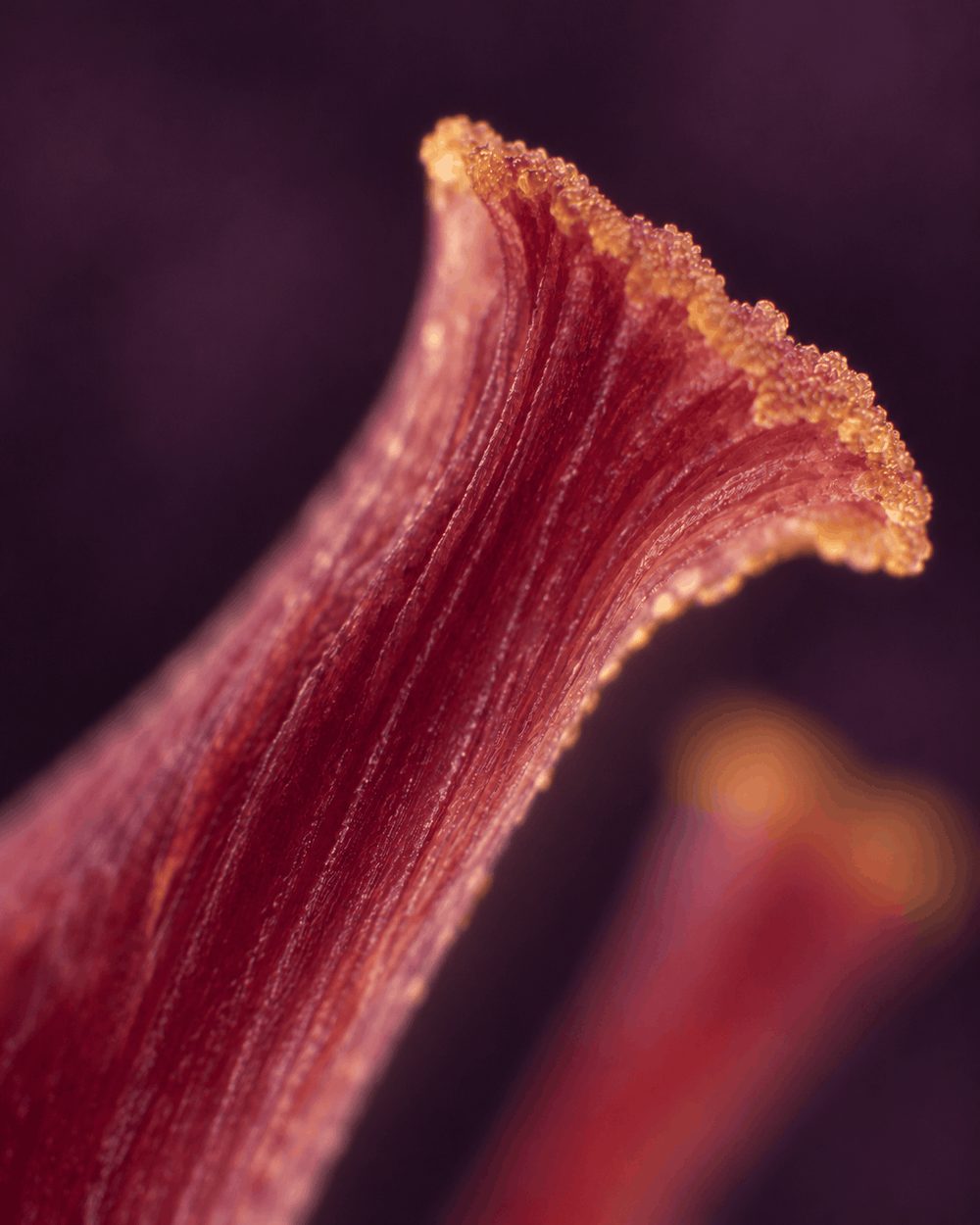
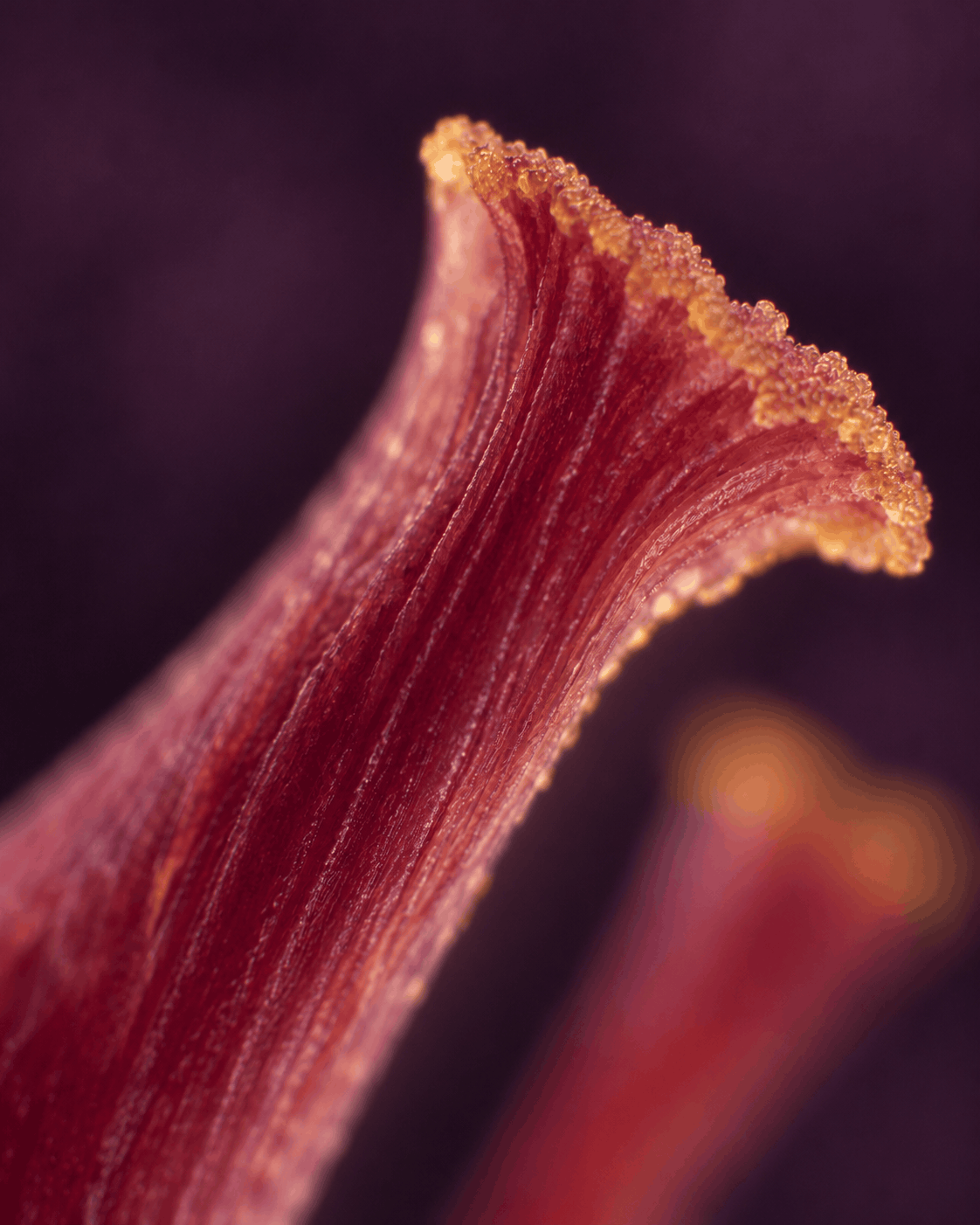
It takes around 150,000 flowers to make one kilogram of saffron. Each crocus gives three crimson threads, picked by hand. For three thousand years it was a dye, a spice and a traditional remedy.
Modern science has spent the last two decades asking a narrower question: does a small daily dose do anything measurable?
Mood: the strongest evidence, with caveats
Saffron's best-studied area is mood. A 2019 review pooled 23 studies with 1,237 people and found that saffron improved depression and anxiety scores compared with placebo.¹ In one trial of 128 healthy adults with self-reported low mood, 28 mg a day of a standardised extract improved mood scores over four weeks; 22 mg did not.²
The caveats matter:
- Most studies are small and short, and many come from a few research groups.
- There's a publication-bias signal: positive trials may be more likely to be published.
- Results differ by questionnaire. One review found benefits on some scales but not others.³
- Some trials compared saffron with antidepressants and found "no significant difference". That isn't proof they're equal; those trials weren't designed to show it.
So: a promising, consistent signal. Not a substitute for medical care.

Sleep: mostly how people feel
In a 28-day trial, adults with self-reported poor sleep took 28 mg a day of a saffron extract. They rated their insomnia as less severe than the placebo group did. But total sleep time and time to fall asleep didn't clearly differ.⁴ It's a finding about how people rate their sleep, not proof of changes in sleep itself.
Eyes and memory: early signals
In people with age-related macular degeneration, 20 mg a day produced a small improvement in visual sharpness: less than one letter on an eye chart, on average.⁵ Small trials in Alzheimer's disease show early signals on cognitive scores.⁶ Both are disease-specific and hypothesis-generating.
Why the extract matters
Saffron's main active compounds are crocins (the colour) and safranal (the aroma). Trials use defined extracts standardised to these compounds. One recent trial's extract was standardised to over 3.5% active compounds, mostly crocins.⁷
That's why "30 mg saffron" on a label isn't automatically the same as 30 mg in a trial. Look for the plant part (stigma), the extract name and the standardisation.
Safety
Short trials report saffron extracts are generally well tolerated. They can't rule out rare effects, and there's little data in pregnancy, with medications, or over years. Culinary saffron and concentrated extracts aren't the same exposure.
Saffron in 4VIA
ISN™ contains 30 mg of saffron extract standardised to 2% crocin. Rest Phase™ uses a second saffron extract, standardised to 2% safranal.
References
- Marx W et al. Nutr Rev. 2019;77:557–571. doi:10.1093/nutrit/nuz023
- Kell G et al. Complement Ther Med. 2017;33:58–64
- Ghaderi A et al. Complement Ther Med. 2020;48:102250
- Lopresti AL et al. J Clin Sleep Med. 2020;16:937–947
- Broadhead GK et al. Graefes Arch Clin Exp Ophthalmol. 2019;257:31–40
- Akhondzadeh S et al. J Clin Pharm Ther. 2010;35:581–588
- Lopresti AL, Smith SJ. Front Nutr. 2026. doi:10.3389/fnut.2026.1838513 Flower count: around 150 flowers per gram, the figure used on the Ingredients page.